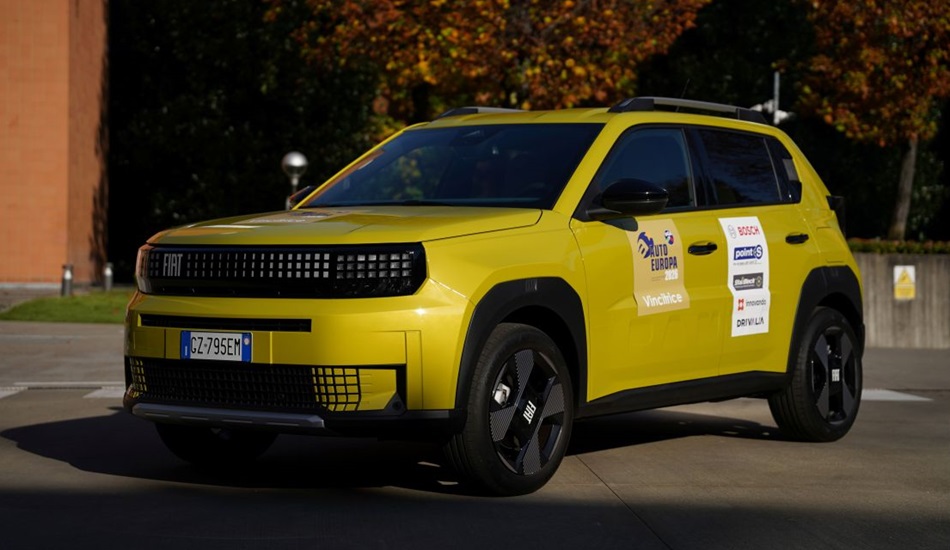
German automaker Opel continues to attract attention with its latest lineup of electric SUVs, featuring bold yet minimalistic designs while offering eco-friendly solutions for both customers and the environment. The brand’s new SUV family—comprising the next-generation Grandland, Frontera, and Mokka—embodies sustainability, utilizing up to 95% reusable and 85% recyclable materials. Their sleek, chrome-free exteriors and minimalist aesthetics set a new standard for reducing environmental impact, while the interiors incorporate high-quality recycled materials for fabrics and upholstery.
Opel‘s hybrid and electric models are also integral to the circular economy, reinforcing the brand’s commitment to sustainability. The new Grandland, Frontera, and Mokka stand out with their distinctive designs, smart technology, and impressive driving comfort while setting benchmarks in environmental responsibility. These three SUVs exemplify Opel’s Greenovation philosophy, demonstrating how sustainability and innovation can seamlessly merge.
Sustainable Design: A New Approach to Luxury

Opel‘s commitment to sustainability is evident at first glance. Departing from traditional chrome elements, the brand employs embossed model names and striking design lines to enhance visual appeal. The Opel Vizor front face proudly showcases the brand’s signature lightning bolt logo, while the rear maintains a clean, distraction-free aesthetic.
Illumination also plays a key role in sustainable design. The new Grandland, for example, features advanced Intelli-Lux HD LED® adaptive headlights, ensuring energy efficiency without compromising visibility. Additionally, it is the first production model to integrate Opel’s illuminated lightning logo with innovative Edge Light technology and a 3D Vizor display.
Eco-Conscious Comfort: Inside the Next-Gen Opel SUVs

During the development of the Grandland, Frontera, and Mokka, Opel engineers focused on reducing carbon footprints while maintaining exceptional driving comfort. The Grandland and Frontera come equipped with Intelli-Seats, designed to alleviate pressure on the lower spine for a relaxed ride. Sustainability extends to the upholstery, door panels, dashboard, and center console, all of which incorporate fabrics made from recycled PET bottles. Even the steering wheels are crafted from vegan synthetic leather, reinforcing Opel’s eco-friendly commitment.
Beyond visible surfaces, the Greenovation approach influences hidden vehicle components as well. The new Grandland features over 40 polymer components made from up to 80% sustainable materials, while its overall structure integrates recycled aluminum, steel, and composite polymers. Remarkably, more than 550 kg of the Grandland‘s total weight consists of regenerated and recyclable materials.
Zero-Emission Driving: The Future of Mobility

Opel continues to lead the shift toward electric mobility, ensuring that each new model prioritizes sustainability. The Grandland, Frontera, and Mokka offer fully electric variants, delivering zero-emission driving without compromising performance. Special aerodynamic wheel designs further optimize energy efficiency and reduce power consumption.
Moreover, Opel is dedicated to prolonging battery life while minimizing resource consumption. The company embraces a Four-T circular economy strategy—Repair, Remanufacture, Reuse, and Recycle—to extend battery longevity and optimize material use. A prime example of this initiative is Opel’s newly established Battery Workshop at its Grandland production facility in Eisenach, which plays a crucial role in sustainable battery lifecycle management.
Through these groundbreaking innovations, Opel continues to redefine the future of sustainable mobility, ensuring that eco-conscious driving is both accessible and enjoyable for a new generation of motorists.