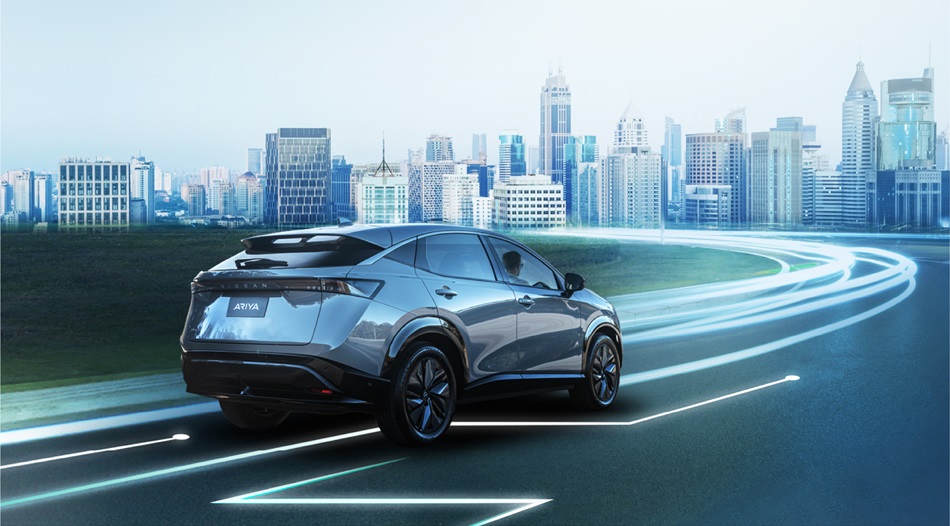
A global youth mobility survey conducted by Nissan in collaboration with Economist Impact reveals that electric vehicles (EVs) are the preferred mode of transportation among young urban dwellers. The study, which surveyed 3,750 participants across 15 cities worldwide, highlights the increasing inclination of younger generations toward EVs. These findings reinforce Nissan’s commitment to electrification and its dedication to providing sustainable solutions to meet evolving mobility demands.
Key Findings from the Survey:
- A Strong Commitment to Sustainability: The majority of young city residents (57%) are willing to change their travel habits to reduce their carbon footprint. Those living in developing cities view environmental concerns as an urgent factor influencing their mobility choices.
- Growing EV Adoption: EVs are emerging as the preferred mode of transportation. Currently, 23% of participants own an EV, but this figure is expected to surpass 35% within the next decade.
- Higher Demand in Developing Cities: Compared to developed cities, where 31% of residents anticipate driving an EV within the next five years, 44% of those in developing cities express a stronger desire for EV adoption. The pressing realities of pollution are pushing them toward sustainability.
- Interest in Innovative Technologies: Younger city residents show a keen interest in advancements such as energy storage, alternative fuels, and vehicle-to-everything (V-to-X) technologies. Over 40% of respondents believe these innovations will significantly impact their mobility preferences.
Economist Impact’s Asia-Pacific Sustainability Lead, Ritu Bhandari, stated:
“This research explores how younger generations envision the future of mobility. Their choices will directly shape the evolving mobility landscape, making their perspectives crucial. Our findings highlight the need for cities to balance environmental targets with real passenger priorities, such as affordability, convenience, and inclusivity. Achieving this requires flexible, multimodal solutions that seamlessly integrate public transport, EVs, shared mobility, and active transportation into a connected and accessible network for all residents.”
Nissan’s Global Vice President of Communications, Lavanya Wadgaonkar, emphasized:
“We believe in making mobility electric and sustainable – this is a defining expectation shaping the future of transportation. This survey confirms the rising demand for electrification and the need to enhance awareness. However, long-term success depends on making EV adoption seamless, practical, and cost-effective. At Nissan, we leverage data-driven research and innovation to bridge these gaps, ensuring electrification is not just an option but a fundamental component of the mobility ecosystem.”
Young Generations Favor EVs as Their Preferred Mobility Mode
Optimism remains high among survey participants, with over one-third expecting to own and drive an EV within the next decade. The preference for EV ownership has increased by more than 50% over this period. Developing cities are leading the charge, with 44% anticipating EV adoption within five years, compared to 31% in developed cities. Concerns over pollution and traffic congestion are driving interest in EVs, particularly in cities like Shanghai, São Paulo, and Mexico City. However, the key factors influencing EV adoption include battery performance, charging infrastructure, and affordability. While respondents in developing cities are more concerned about battery reliability, those in developed cities focus on the overall cost of EV ownership.
The Future of EVs Extends Beyond Mobility
Over 40% of survey participants express enthusiasm for emerging EV technologies and recognize their potential to impact daily life. Half of the respondents acknowledge that EVs can power external devices and store surplus renewable energy. As EVs evolve beyond transportation, they are becoming essential tools for energy management. Participants in developing cities show greater interest in the broader applications of EV technology, such as emergency power solutions, energy sharing, and transportable electricity.
The survey results align closely with Nissan’s vision of promoting cleaner, safer, and more inclusive mobility for all. Nissan continues to advance its electrification strategy to make EVs more accessible and affordable. The company is investing in enhancing charging infrastructure, improving battery technology, and developing cost-effective EV solutions. By integrating smart charging solutions, battery energy storage innovations, and V2X technologies, Nissan aims to establish a more holistic and efficient EV energy ecosystem.
As the world transitions toward sustainable transportation, Nissan remains committed to delivering practical solutions that address global mobility and energy challenges. The company continues to invest in future-focused technologies to shape a more sustainable and adaptable transportation landscape.